
Web Design Best Practices for Business Success
Web Design Best Practices play a crucial role in helping businesses establish a strong online presence, attract potential customers, and increase conversions.
A well-designed website is more than just an online brochure in today’s digitally competitive environment; it is a powerful marketing tool that influences customer decisions and drives business growth.
Businesses can enhance the user experience, increase their visibility in search engines, and build trust with their target audience by implementing efficient web design strategies.
Why Web Design Matters for Business Success
Most of the time, potential customers first encounter your brand through our website. A well-designed, professional website encourages visitors to investigate your offerings and leaves them with a positive first impression.
It is more likely for businesses to maintain visitors, generate leads, and achieve long-term success if they make an investment in high-quality web design.

Create a Mobile-Friendly and Responsive Website
Responsive design has become crucial as the majority of internet users browse on smartphones and tablets. A responsive website automatically adjusts its layout and content to fit different screen sizes, providing a seamless experience across all devices.
Websites that are optimized for mobile devices perform better in search engine rankings in addition to increasing user satisfaction.
Improve User Experience with Simple Navigation
The user experience is one of the most important aspects of website design. Visitors should be able to quickly find the information they need.
Users are able to navigate the website without becoming confused thanks to its clear menus, logical page structures, and simple navigation. Visitors are more likely to take action when they have a positive user experience.

Optimize Website Speed for Better Performance
Website loading speed directly impacts user satisfaction and conversion rates. Slow websites can frustrate visitors and cause them to leave before exploring your content.
Optimizing images, reducing unnecessary code, enabling browser caching, and choosing reliable hosting can significantly improve website performance.
Visitors to any business website should be directed in the right direction. Clear and compelling calls to action help convert visitors into customers, whether they are contacting your team, requesting a quote, signing up for a newsletter, or making a purchase.
The success of an online business depends heavily on trust. Establishing credibility is made easier by having a well-designed website that features secure payment options, high-quality images, consistent branding, customer reviews, and other features.
Your website’s content will be easily understood by search engines if your design is SEO-friendly. Search engine rankings can be improved by employing optimized page titles, meta descriptions, heading tags, image alt text, and clean URLs.

A memorable experience for visitors and increased brand recognition are the outcomes of consistent branding. Throughout your website, use the same colors, fonts, logos, and messaging.
An accessible website ensures that all users, including those with disabilities, can access and interact with your content. Features such as readable fonts, proper color contrast, keyboard navigation, and descriptive alt text improve accessibility.
A successful website requires regular updates and maintenance. Your website’s relevance and effectiveness can be maintained by updating the content on a regular basis, checking for broken links, increasing security, and monitoring performance.
Future Trends in Business Website Design
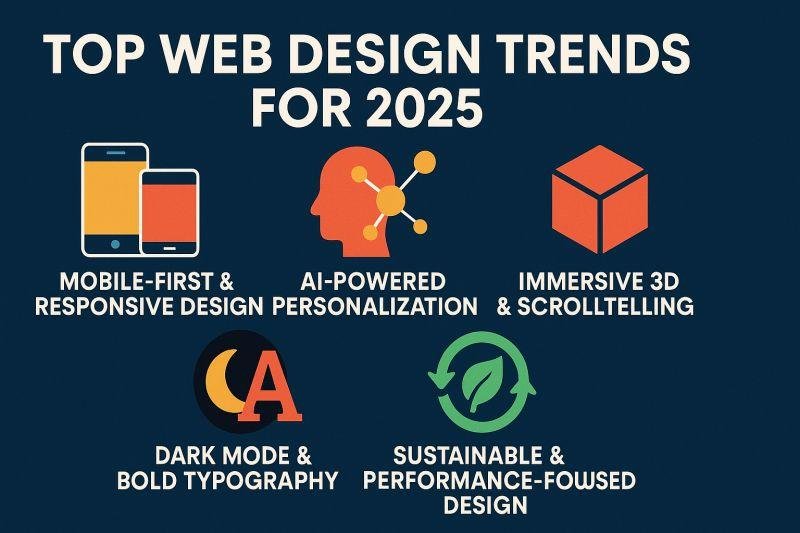
Modern web design continues to evolve with new technologies and user preferences. Artificial intelligence, personalized user experiences, voice search optimization, interactive content, and minimalist designs are shaping the future of business websites
Businesses can benefit from staying ahead of these trends and remaining competitive.

If you want your business to succeed in the digital world, you need to put Web Design Best Practices into practice. A responsive, user-friendly, fast, and SEO-optimized website can improve customer engagement, increase conversions, and strengthen your brand’s online presence.
Businesses can create websites that not only attract visitors but also drive sustainable growth and long-term success by focusing on user experience, performance, accessibility, and consistent branding.
